
Purposeful imaging · Digital records · Treatment planning
Quick AnswerDigital dental X-rays show structures that cannot be fully assessed by looking in the mouth. CBCT provides three-dimensional information for selected clinical questions. At Ethos Advanced Dental Care in Temecula, imaging is chosen according to your examination, symptoms, history, and available previous images; every patient does not need the same scans.
Saturday appointments · 8 a.m. to 2 p.m.

Digital radiographs and selected 3D scans provide different clinical information.
| Question | Quick facts |
|---|---|
| What is it? | Digital radiographs and selected 3D scans provide different clinical information. |
| Who is it for? | Used when the expected information is relevant to diagnosis or treatment planning. |
| How long is the visit? | Image-taking time varies with the type and number of views needed. |
| How many visits? | Selected for a clinical need, not automatically repeated at every visit. |
| What is recovery like? | Imaging itself generally requires no recovery; positioning can cause brief discomfort. |
| How long does it last? | Repeat timing depends on risk, findings, and the usefulness of existing images. |
| What does it cost? | Ask which images are recommended and whether they are included in your quote. |
| What about insurance? | Plan frequency limits may differ from the clinically recommended schedule. |
Your questions
Some areas cannot be assessed completely from a visual examination. Depending on the view, an X-ray can help evaluate decay between teeth, roots, bone support, a tooth that has not erupted normally, or other changes relevant to treatment. The image is interpreted together with symptoms and examination findings rather than used as a stand-alone answer to every dental question.
Before recommending images, we consider your history, current concerns, and suitable previous records. Tell us where and when earlier X-rays were taken so unnecessary duplication can be avoided when those records meet the clinical need. Our general dentistry examinations help establish the reason for imaging. A new-patient offer that lists X-rays does not mean every available view is appropriate for every person. Ask what a proposed image could reveal and how the information might affect the next step.
Understanding your options
Cone-beam computed tomography, or CBCT, provides three-dimensional views of selected dental and jaw structures. It can be useful when a specific planning or diagnostic question cannot be answered adequately with a lower-exposure option. Examples may include assessing anatomy for implant placement or clarifying a complex problem in a carefully selected case. It is not a routine screening scan for everyone.
The area scanned and settings should match the clinical question. Having 3D technology available does not make it necessary at every visit or mean it replaces all conventional dental X-rays. Our dental implant planning and root canal care information describe treatments where imaging needs can differ by case. We explain the purpose of a recommended scan and consider relevant prior images. A scan can assist planning, but it does not eliminate surgical risks or guarantee a treatment outcome.
Care considerations
A digital X-ray uses ionizing radiation to produce a view of internal structures. CBCT also uses X-rays, with equipment producing information that can be viewed in three dimensions. An optical intraoral scanner records the surfaces of teeth and surrounding visible tissues with light. These tools answer different questions, even when all their results appear on a computer screen.
An iTero digital scan can help create dental records used for certain restorative or orthodontic plans. It does not show all the root and bone information seen on a radiograph, so it cannot universally replace needed X-rays. Conversely, an X-ray is not the same kind of surface record as a digital impression. Ask which records are needed for your proposed care and why. Our dental technology page provides an overview without assuming that every technology is part of every appointment.
Looking ahead
The decision should reflect current findings and risk rather than an automatic calendar rule. A person with new symptoms, active disease, or a changing treatment plan may need different images from someone with stable findings and usable recent records. A previous picture can remain useful, but its age, quality, coverage, and relevance determine whether it answers today’s question.
Tell us if you are pregnant or may be pregnant, have difficulty tolerating sensors or positioning, or have concerns about radiation. Necessary dental care and appropriate imaging are discussed in the context of your health; pregnancy does not automatically prohibit a needed dental X-ray. We aim to obtain information with an appropriate, limited exposure and avoid unnecessary repeats. Insurance frequency limits are a payment rule, not the sole basis for clinical decisions. If you are unsure about a recommendation, ask us to explain the benefit, alternatives, and effect of delaying it.
What to expect at Ethos
We start with your concerns and an assessment, then explain the appropriate next steps. The details depend on the service and your individual needs.
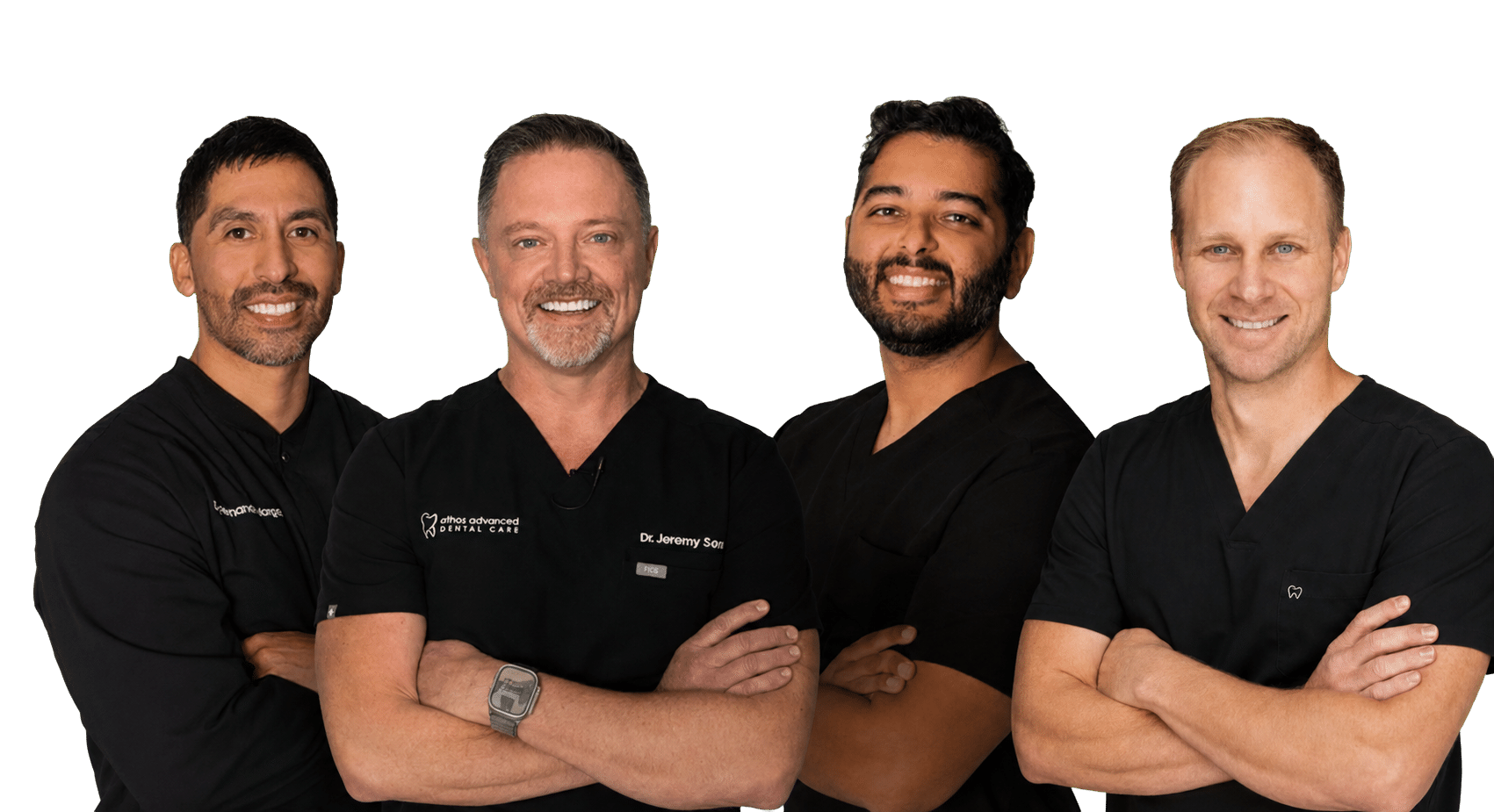
Ethos Advanced Dental Care, formerly Nash Dental Care, has served the Temecula Valley for more than 35 years. Our team includes Dr. Jeremy Sewell DMD, Dr. Fernando Vargas DDS, Dr. Karan Oza DMD, and Dr. Jeffrey Anderson DDS.
Learn more about our Temecula dentists. Bring your health history, medication information, and questions so we can discuss your situation and the care being considered.
Compare the approaches
The most useful record is the one that answers the clinical question with an appropriate approach. More dimensions do not automatically mean a better choice.
| Option | Purpose or approach | What to consider |
|---|---|---|
| Digital 2D radiographs | Use X-rays to show selected views of teeth, roots, or bone. | Often answer focused questions; different views serve different purposes. |
| 3D CBCT imaging | Uses X-rays to build a three-dimensional view of a selected area. | Reserved for justified questions where suitable lower-exposure images are insufficient. |
| Optical digital impression | Uses light to record visible tooth and tissue surfaces. | Useful for selected records and appliance/restoration planning; not a substitute for every X-ray. |
Cost & payment
Imaging cost depends on the type and number of views and whether a scan is part of another treatment plan. Ask what is included in your visit or procedure quote and whether image interpretation or outside review involves a separate charge. Insurance frequency limits and benefit rules vary. We explain recommended imaging and its cost before obtaining it whenever a treatment decision is being planned.
We quote recommended treatment before it begins. Ask what the plan includes, whether care is staged, and which follow-up visits are anticipated. If the findings change, we explain the revised recommendation and cost before additional treatment.
Patients without dental insurance can ask about the Ethos Cares in-house dental plan. Review current membership details and how they apply to your proposed care before choosing a payment approach.
We offer financing through CareCredit and Sunbit. Review eligibility and the specific payment terms, including any interest or fees. The availability of financing does not guarantee approval or a particular rate.
We accept most PPO plans. We do not accept Delta Dental PPO, MetLife PPO, United Concordia, or Tricare. Review our insurance information and contact us with your plan details. Benefits for any particular service depend on your plan and are not guaranteed.
Serving the Temecula Valley
Yes. We see patients from Temecula and the surrounding communities of Murrieta, Menifee, Wildomar, Lake Elsinore, Winchester, Canyon Lake, Fallbrook, French Valley, and Sun City.
Our address is 41715 Winchester Rd, Suite 101, Temecula, CA 92590. We see patients ages 12 and up. Saturday hours are 8 a.m. to 2 p.m. Tell us about your concern when scheduling so we can discuss the appropriate appointment and any preparation.

Common questions
These answers cover common questions. Your examination and discussion with our team determine the recommendation for your care.
No. Digital dental radiographs use ionizing radiation, and CBCT does too. An optical scan such as a digital impression uses a different method. The reason for imaging, selection of the appropriate view, and limiting unnecessary exposure matter more than the word digital. Ask which type of record is being proposed and what clinical question it is intended to answer.
Not automatically. Your examination, risk factors, symptoms, treatment history, and available prior images inform the timing. Someone with a new concern may need a different schedule from someone with stable oral health. Tell us about recent records and ask why any new image is recommended. Neither a fixed calendar interval nor insurance eligibility alone determines clinical need.
No. CBCT is not a routine screening requirement for every patient. It is considered when a specific clinical question justifies three-dimensional information and suitable lower-exposure options are insufficient. The area and settings should match that question. A dentist may recommend other images, use existing records, or decide no new imaging is needed for the current visit.
Tell your dentist if you are pregnant or may be pregnant so the proposed care can be discussed. Pregnancy does not automatically mean needed dental imaging must be postponed. The team considers the clinical reason and appropriate technique. Do not let a concern about X-rays delay evaluation of pain, infection, or another urgent problem without discussing the options.
Suitable existing images can be useful if they show the relevant area with adequate quality and remain appropriate to the current question. Let us know where they were taken so records can be requested through the usual process. New symptoms, incomplete coverage, or image limitations may still justify additional views. Having prior records does not guarantee that no new images are needed.
Current ADA guidance no longer recommends routine abdominal or thyroid shielding for dental imaging, while applicable rules and the clinical setting still matter. Protecting patients centers on justified imaging, appropriate equipment and settings, positioning, and limiting unnecessary exposure. Tell the team about pregnancy or concerns before the image so the approach and any requirements can be explained.
We explain recommended care and quote its cost before treatment begins. If you have insurance, benefits depend on your specific plan and are not guaranteed. Patients without insurance can ask about Ethos Cares. Financing through CareCredit and Sunbit is also available to discuss alongside the proposed treatment and applicable payment terms.
Yes. We see patients ages 12 and up, and our Saturday hours are 8 a.m. to 2 p.m. Call (951) 699-0700 or book online to request a visit. Tell us about your concern when scheduling so we can discuss the appropriate appointment rather than assuming every procedure fits the same visit.
Your next step
Call (951) 699-0700 or book online to discuss your next visit at Ethos Advanced Dental Care in Temecula. We explain recommended care and quote the cost before treatment begins.
Call Ethos Advanced Dental Care(951) 699-0700Saturday appointments · 8 a.m. to 2 p.m.Or Book Your Visit Online