
Oral health exams · Recognize changes · Know the next step
Quick AnswerAn oral cancer screening is a visual and hands-on examination for concerning changes in the mouth and nearby tissues. At Ethos Advanced Dental Care in Temecula, we discuss findings and appropriate follow-up. An examination can identify suspicious areas, but it cannot diagnose cancer or guarantee that cancer is absent.
Saturday appointments · 8 a.m. to 2 p.m.

An examination for suspicious changes in oral and nearby tissues.
| Question | Quick facts |
|---|---|
| What is it? | An examination for suspicious changes in oral and nearby tissues. |
| Who is it for? | Patients with or without symptoms; individual history informs assessment. |
| How long is the visit? | Often incorporated into a dental examination; additional evaluation varies. |
| How many visits? | A concerning finding may require a return visit, referral, or biopsy. |
| What is recovery like? | A visual and tactile exam generally requires no recovery time. |
| How long does it last? | A reassuring exam reflects that visit, not a lifetime clearance. |
| What does it cost? | Ask whether the examination is included in the visit you are scheduling. |
| What about insurance? | Coverage for exams, specialist care, and biopsy depends on the plan. |
Your questions
The examination looks for changes in tissues such as the lips, cheeks, gums, tongue, floor and roof of the mouth, and areas toward the back of the mouth that can be assessed. The clinician may feel selected tissues and the neck for a lump or an unusual area. Tell us about soreness, altered sensation, trouble swallowing, or a change you have noticed, even if it seems small.
Looking and feeling are useful first steps, but the appearance of a spot does not establish its cause. Many oral changes are not cancer, and some concerning areas need further investigation even when they do not hurt. Our general dentistry examinations include assessment of oral tissues as well as teeth. A dental exam is one part of care and does not replace a medical evaluation of symptoms beyond the mouth.
Understanding your options
Arrange an evaluation for a sore that does not heal, a persistent red or white patch, an unexplained lump or thickened area, or unexplained bleeding or numbness. Ongoing difficulty chewing or swallowing, a persistent sore throat, or a change in how dentures fit can also deserve attention. A change lasting more than two weeks should be assessed; a rapidly worsening symptom may need care sooner.
Tell us when it started, whether it is changing, and whether a sharp tooth or appliance rubs the area. A photo taken when you first notice a change can help describe its course, but it cannot replace examination. Do not wait for pain to decide a lesion matters. Our emergency dentistry information explains urgent dental concerns. Trouble breathing or swallowing with rapidly spreading swelling requires emergency medical care rather than waiting for a routine screening appointment.
Care considerations
The next step depends on the appearance, location, symptoms, and history of the change. The dentist may document the finding, address an identifiable source of irritation, arrange a defined follow-up, or recommend prompt specialist assessment. Some areas need a biopsy, in which tissue is examined to determine the diagnosis. Referral does not mean you have cancer; it means the finding needs an appropriate level of investigation.
Ask what the recommended next step is and when it should happen. Keep any reassessment appointment and contact the office if the area grows or symptoms change before then. An observation plan should have a specific follow-up rather than indefinite waiting. Learn about our dental team and bring previous oral biopsy or specialist reports when available. We do not describe a normal-looking examination as proof that every possible cancer has been ruled out.
Looking ahead
Avoiding tobacco and discussing alcohol use with your health clinician are useful parts of risk reduction. Your medical clinician can also advise about HPV vaccination and other prevention relevant to your age and health history. Risk factors help guide discussion, but their absence does not make a persistent mouth change safe to ignore. People who have never smoked can still develop oral cancer.
Be familiar with what is normal for your mouth while brushing and cleaning between teeth. Seek evaluation for a new or persistent change instead of trying to scrape it away or repeatedly treating it with unprescribed products. Keep a dental visit schedule suited to your needs, including care for gum disease or irritation from dental appliances. Our family dentistry services for ages 12 and up provide opportunities to discuss concerns, while individual risk and findings guide any additional assessment.
What to expect at Ethos
We start with your concerns and an assessment, then explain the appropriate next steps. The details depend on the service and your individual needs.
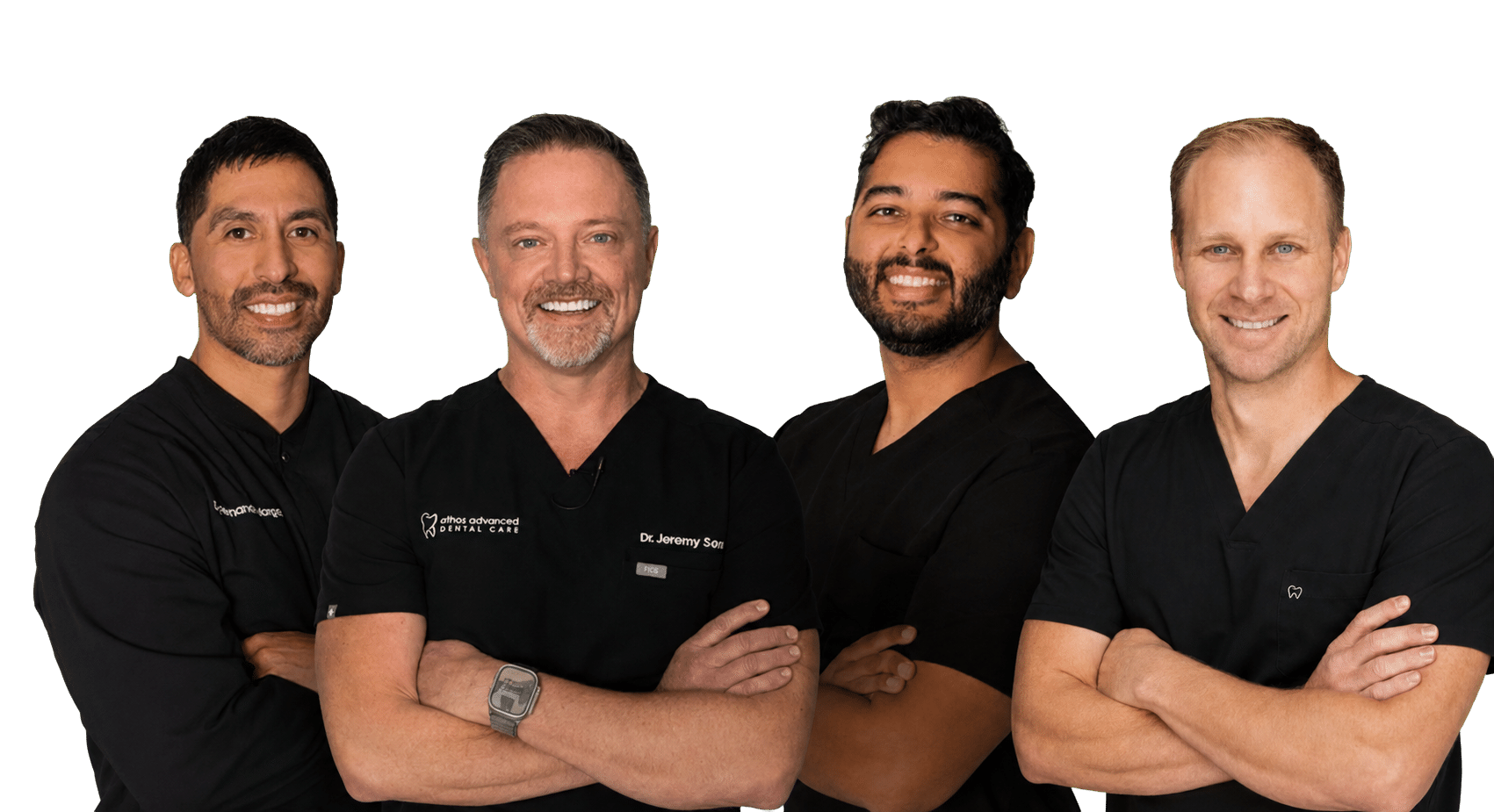
Ethos Advanced Dental Care, formerly Nash Dental Care, has served the Temecula Valley for more than 35 years. Our team includes Dr. Jeremy Sewell DMD, Dr. Fernando Vargas DDS, Dr. Karan Oza DMD, and Dr. Jeffrey Anderson DDS.
Learn more about our Temecula dentists. Bring your health history, medication information, and questions so we can discuss your situation and the care being considered.
Compare the approaches
Each has a role, but none should be described as interchangeable with the others. A suspicious observation needs an appropriate clinical next step.
| Option | Purpose or approach | What to consider |
|---|---|---|
| Dental oral-tissue examination | Looks and feels for suspicious changes during professional assessment. | Can identify an area that needs investigation; does not establish every diagnosis. |
| Diagnostic assessment or biopsy | Investigates a specific finding, sometimes with tissue examination. | Helps determine its cause and guide any treatment or further referral. |
| Noticing changes at home | Helps you describe what has appeared, persisted, or changed. | Supports timely reporting but cannot reliably rule cancer in or out. |
Cost & payment
Ask whether the oral-tissue examination is included in the dental visit you are scheduling. If a finding needs further assessment, specialist consultation, biopsy, or other tests may have separate charges. We explain recommended dental next steps and available cost information. Medical and dental benefits can differ, so an examination benefit should not be assumed to cover every subsequent diagnostic service.
We quote recommended treatment before it begins. Ask what the plan includes, whether care is staged, and which follow-up visits are anticipated. If the findings change, we explain the revised recommendation and cost before additional treatment.
Patients without dental insurance can ask about the Ethos Cares in-house dental plan. Review current membership details and how they apply to your proposed care before choosing a payment approach.
We offer financing through CareCredit and Sunbit. Review eligibility and the specific payment terms, including any interest or fees. The availability of financing does not guarantee approval or a particular rate.
We accept most PPO plans. We do not accept Delta Dental PPO, MetLife PPO, United Concordia, or Tricare. Review our insurance information and contact us with your plan details. Benefits for any particular service depend on your plan and are not guaranteed.
Serving the Temecula Valley
Yes. We see patients from Temecula and the surrounding communities of Murrieta, Menifee, Wildomar, Lake Elsinore, Winchester, Canyon Lake, Fallbrook, French Valley, and Sun City.
Our address is 41715 Winchester Rd, Suite 101, Temecula, CA 92590. We see patients ages 12 and up. Saturday hours are 8 a.m. to 2 p.m. Tell us about your concern when scheduling so we can discuss the appropriate appointment and any preparation.

Common questions
These answers cover common questions. Your examination and discussion with our team determine the recommendation for your care.
A visual and tactile examination usually involves looking, gentle movement, and feeling tissues rather than surgery. Tell the clinician if an area is sore or touching it is uncomfortable. If a separate procedure such as biopsy is recommended, its preparation, comfort measures, and aftercare are discussed independently. A screening visit does not automatically include a biopsy.
No. Patches and other oral changes have several possible causes, including irritation and noncancerous conditions. Their appearance alone cannot determine which cause applies. A patch that persists, changes, or occurs with other concerning symptoms deserves evaluation. Avoid repeatedly scraping it or assuming a home remedy is enough; follow the recommended reassessment or referral plan.
Tell your dentist about your health history and any changes regardless of tobacco use. Tobacco is a risk factor, but people without that history can still develop concerning oral conditions. An oral-tissue examination can be part of dental care. The appropriate follow-up depends on findings and individual circumstances rather than a single risk factor or its absence.
Routine dental X-rays are not a substitute for examining mouth tissues or investigating a suspicious lesion. Imaging may be useful for certain clinical questions, but a diagnosis can require specialist assessment and tissue sampling. The appropriate test depends on the finding. A normal dental X-ray does not mean every oral or throat cancer has been excluded.
Arrange a dental or medical evaluation rather than continuing to wait. Explain how long it has been present, whether it changes, and whether an appliance or sharp edge contacts it. Many sores have a noncancerous cause, but persistence needs assessment. Seek more urgent care if there is rapidly worsening swelling, significant bleeding, or difficulty breathing or swallowing.
Discuss oral-tissue assessment during your dental examination and report new symptoms between visits. There is no single screening interval that replaces individual judgment about risk, prior findings, and current symptoms. A reassuring visit does not mean a later persistent change should wait until your next cleaning. Call (951) 699-0700 to arrange an appropriate assessment.
We explain recommended care and quote its cost before treatment begins. If you have insurance, benefits depend on your specific plan and are not guaranteed. Patients without insurance can ask about Ethos Cares. Financing through CareCredit and Sunbit is also available to discuss alongside the proposed treatment and applicable payment terms.
Yes. We see patients ages 12 and up, and our Saturday hours are 8 a.m. to 2 p.m. Call (951) 699-0700 or book online to request a visit. Tell us about your concern when scheduling so we can discuss the appropriate appointment rather than assuming every procedure fits the same visit.
Your next step
Call (951) 699-0700 or book online to discuss your next visit at Ethos Advanced Dental Care in Temecula. We explain recommended care and quote the cost before treatment begins.
Call Ethos Advanced Dental Care(951) 699-0700Saturday appointments · 8 a.m. to 2 p.m.Or Book Your Visit Online